
Disclosure: This post may contain affiliate links. As an Amazon Associate, we earn from qualifying purchases—at no extra cost to you.
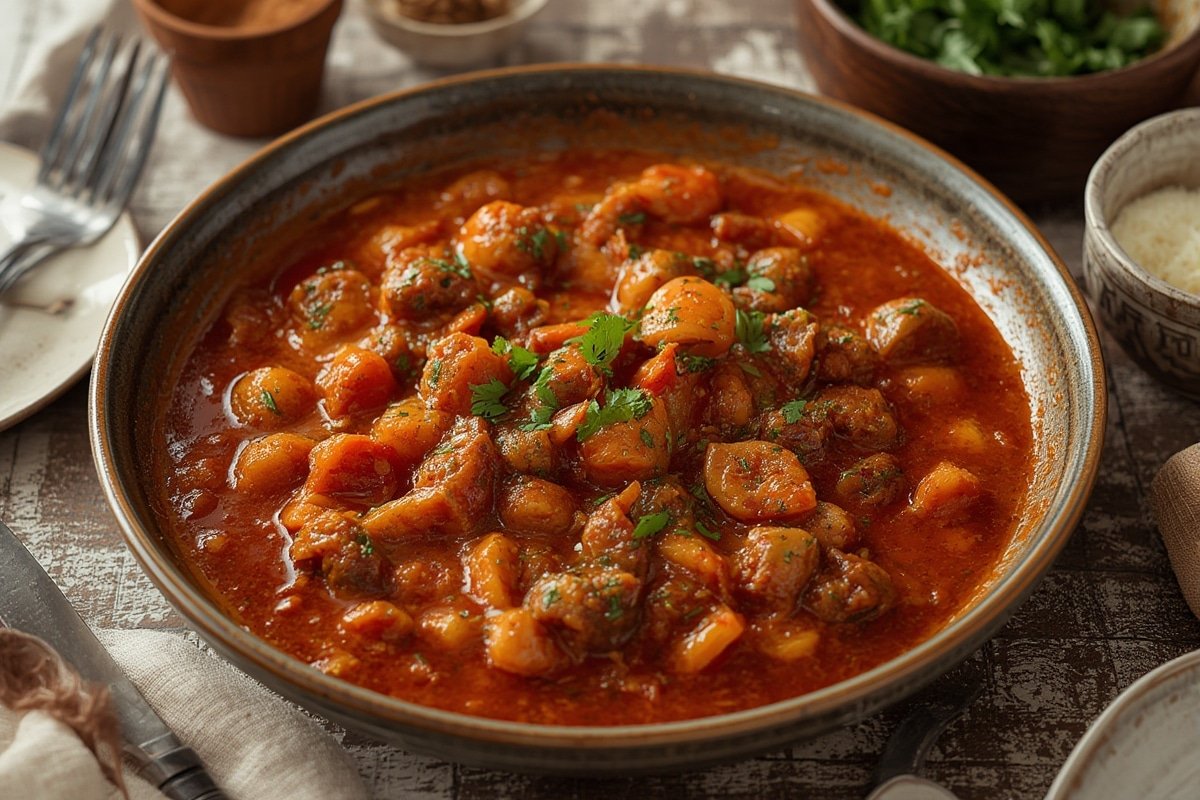
Growing up, our kitchen smelled like garlic and laughter. My mom could turn pasta with olive oil into a feast by swirling in her tangy tomato sauce. Rainy days meant Aunt Laila’s peppery gravy bubbling slowly on the stove—each simmer teaching me that sauces aren’t just recipes; they’re memories simmered into flavor. Those early lessons shaped my sauce recipes today. A great sauce rescues leftovers, soothes fussy eaters, and turns Tuesday night chicken into something worth gathering for. Let’s explore how versatile sauces can spark joy in every meal—with simple techniques anyone can master.
Why Every Kitchen Needs a Go-To Sauce Formula
The Secret Weapon Behind Effortless Meals
In my mom’s crowded kitchen, jars of herb-infused oils and spice-blend pastes lined the shelves. Those humble starters transformed roasted veggies, grains, or grilled fish into vibrant meals. Modern sauce recipes borrow this wisdom. Think of them as flavor booster packs, letting you jazz up baked tofu with a zesty chimichurri or revive bland rice with coconut curry drizzle. One master formula—like a creamy garlic base or spicy tomato blend—can birth endless variations using what’s already in your fridge.
From Grandma’s Pot to Your Weeknight Fix
My aunt’s signature sauce simmered for hours, but busy lives demand smarter strategies. Today’s best sauce recipes strike a balance: deep, slow-cooked taste without the marathon prep. Ingredients like caramelized onion paste, sun-dried tomatoes, or miso paste add instant richness. For example, my 15-minute creamy herb sauce uses Greek yogurt (not heavy cream) for tangy lightness. It clings beautifully to roasted potatoes or grilled corn—proof that tradition and convenience can coexist deliciously.
Building Your Sauce Toolkit: Ingredients & Techniques
Ingredients List: The Flexible Flavor Builders
Great sauces start with layers. Here’s my pantry must-haves with easy swaps for dietary needs:
| Ingredient | Why It Works | Substitutions |
|---|---|---|
| Tomato paste | Concentrated umami for stews and pasta sauces | Red pepper paste or mashed roasted carrots |
| Full-fat coconut milk | Creamy base without dairy (ideal for curries) | Cashew cream or oat milk + cornstarch |
| Apple cider vinegar | Brightens heavy sauces; balances richness | Lemon juice or rice wine vinegar |
Timing: Faster Than Ordering Takeout
Basic sauces take 10–25 minutes active time. My cashew “alfredo” cooks in 15 minutes—40% quicker than traditional recipes. Roasted garlic or herb oils? Just 5 minutes blitzing in a blender. Always prep components while your main cooks. Sauté onions while chicken roasts, whisk vinaigrette as lentils simmer. Soon, sauce-making becomes second nature.
Step-by-Step Instructions: Foolproof Flavor Boosting
Let’s make my crowd-pleasing roasted red pepper sauce (perfect for pasta, dips, or pizza):
- Char the peppers: Broil 2 large red bell peppers until blackened. Steam in a bowl covered with cling film for 10 minutes—this loosens skins.
- Sizzle aromatics: Heat 1 tbsp olive oil; sauté 3 minced garlic cloves until fragrant (don’t brown!).
- Blend smooth: Peel peppers, discard seeds. Blend with garlic, 2 tbsp tahini, 1 tsp smoked paprika, and 3 tbsp broth until velvety. Tip: Add broth slowly to control thickness.
- Finish bright: Stir in 1 tbsp lemon juice. Taste—adjust salt and tang. Too thick? Add broth 1 tsp at a time.
Unlocking Sauce Versatility: Beyond the Bowl
The 1 Sauce, 5 Meals Principle
A single batch of my ginger-scallion sauce morphs across dishes: toss with noodles Monday, glaze salmon Tuesday, mix into fried rice Wednesday, dress Thursday’s slaw, then drizzle over Friday’s soup. Freeze extras in ice cube trays for instant upgrades.
Diet-Friendly Twists Without Sacrificing Flavor
Creamy doesn’t mean butter-heavy. Blend steamed cauliflower with nutritional yeast and garlic for a “cheesy” vegan sauce. Nut-free? Use sunflower seeds instead of cashews. For low-sodium diets, boost taste with lemon zest, capers, or smoked spices instead of salt.
Troubleshooting & Pro Tips
Fixing Common Sauce Mishaps
Too thin? Whisk in 1 tsp cornstarch mixed with cold water; simmer 2 minutes. Too salty? Add a peeled raw potato chunk—it absorbs excess salt as it simmers. Broke emulsion? Reblend with 1 tsp mustard or honey to rebind ingredients.
Flavor Layering Like a Pro
Depth comes from contrasts: pair sweet roasted squash sauce with chili flakes, or rich tahini dressing with sharp pomegranate molasses. Taste-test midway—adjust with acidic (vinegar), sweet (maple syrup), or savory (tamari) notes until balanced.
Conclusion
Sauce recipes transform kitchens into places of creativity—not stress. You don’t need fancy tools or hours. Start small: try whisking garlic into yogurt for tomorrow’s grain bowl or blitz herbs with olive oil for tonight’s bread dipping. Every time you build flavor from scratch, you honor generations of cooks who turned simple sauces into lasting comfort. Want more? My free newsletter delivers seasonal sauce formulas weekly. Let’s make your cooking shine, one drizzle at a time.