
Disclosure: This post may contain affiliate links. As an Amazon Associate, we earn from qualifying purchases—at no extra cost to you.
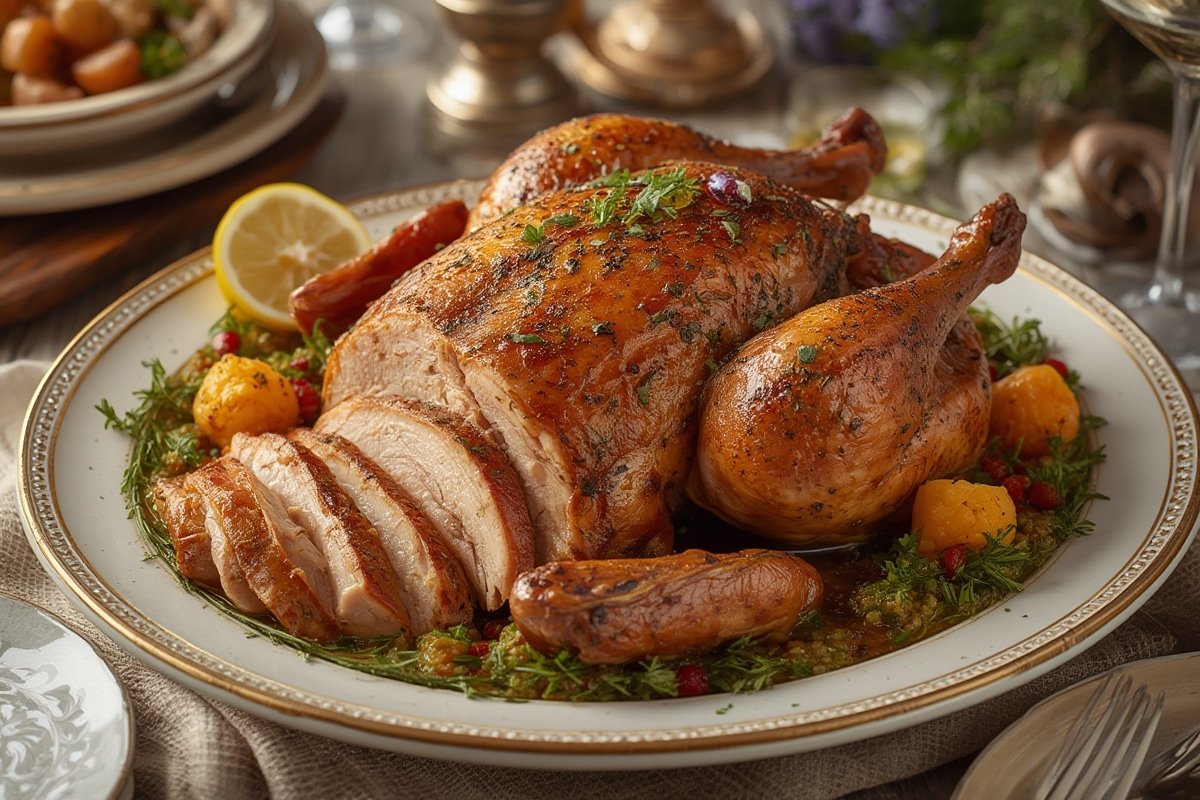
Growing up in my loud, food-obsessed family, Thanksgiving meant two things: sticky hugs from aunties and a frantic race to salvage Grandma’s perpetually dry turkey. One year, Mom quietly borrowed a technique from our neighbor—dry brining—and magic happened. No more basting marathons. No more sawing through cardboard-like breast meat. Just golden, crispy skin hugging impossibly juicy meat that tasted like it soaked up every herb in the garden. That’s when I fell hard for the dry brine turkey method.
Years later, when hosting my first Friendsgiving in a cramped apartment, I reached for that same trick. I rubbed coarse salt and sage under the skin of my budget turkey, let it rest uncovered in my fridge, and roasted it while balancing Zoom calls. The result? Silence. Then clattering forks and “HOW did you do this?!” murmurs. Dry brining transformed my humble bird into the star—with less effort than untangling Christmas lights.
PART 1: Unlocking Flavor Magic – Why Dry Brine Your Turkey?
The Science Behind Perfectly Juicy Meat
Dry brining works like a flavor elevator. Salt draws moisture from the turkey’s surface, dissolves into a concentrated brine, then gets reabsorbed deep into the meat. Unlike a wet brine that can waterlog your bird, dry brine turkey enhances texture and taste. The salt denatures proteins, creating gaps that trap moisture during cooking. Bonus? An ultra-dry skin surface crisps up like layered pastry in the oven.
Dry Brine vs. Wet Brine: Choosing Your Champion
Wet brines (soaking the bird in saltwater) can dilute flavor and demand fridge space you might not have. Dry brine turkey simplifies everything:
- Space-saving: No giant buckets hogging your fridge.
- Crispier skin: Wet brines steam the skin; dry brining dehydrates it for maximum crunch.
- Intensified seasoning: Salt and herbs adhere directly to the meat, not rinse off.
| Method | Best For | Time Commitment |
|---|---|---|
| Dry Brine | Deep flavor, crispy skin, small kitchens | 48 hours (mostly hands-off) |
| Wet Brine | Very even seasoning, moist meat | 48 hours + fridge space struggle |
PART 2: Your Foolproof Dry Brine Turkey Blueprint
Ingredients List: Simple Pantry Heroes
| Ingredient | Why It Works | Easy Swaps |
|---|---|---|
| 1 Tbsp Diamond Crystal kosher salt per 5 lbs turkey* | Large crystals dissolve evenly without over-salting | Halal-certified coarse salt; reduce to 2 tsp per 5 lbs if using table salt |
| 2 Tbsp dried herbs (thyme + sage) | Earthy depth without fresh herb fuss | Rosemary, oregano, or poultry seasoning blend |
| 1 tsp black pepper | Warm, sharp contrast to rich meat | Smoked paprika or garlic powder |
*Important: Kosher salt is 50% less salty by volume than table salt. Adjust carefully!
Timing Breakdown: Stress-Free Prep
- Active Prep: 15 minutes
- Dry Brining: 48 hours in fridge
- Roasting: 13 mins/lb at 325°F (≈2.5–3.5 hours for a 14-lb turkey)
- Resting: 45 minutes before carving
Total Time: 52–56 hours (mostly hands-off). Compared to wet brining, you save 1 hour of active prep (no brine mixing, drying, or cleanup!).
Step-by-Step Instructions: A No-Sweat Roadmap
1. Prep the Turkey
Pat the bird dry with paper towels—no trapped moisture allowed! Remove giblets (save for broth). Place on a rack in a rimmed baking sheet.
2. Season Generously
Mix salt, herbs, and pepper. Gently lift the skin over the breasts and thighs, rubbing half the mixture directly onto the meat. Massage the rest over the skin.
3. Dry Brine Patiently
Refrigerate uncovered for 48 hours. This air-dries the skin and lets salt penetrate. Cover loosely with parchment if needed to prevent fridge aromas.
4. Roast to Golden Glory
Roast breast-side up at 325°F until a thermometer reads 161°F in the breast (temperature will climb to 165°F as it rests).
5. Rest + Serve
Let it rest 45–60 minutes before carving. This keeps juices locked in—no dry turkey trauma!
PART 3: Pro Tips and Flavor Hacks
Avoiding Common Dry Brine Mistakes
- Don’t skip the rack: Elevating the turkey prevents soggy skin.
- No oil before roasting: Dry skin = crispy skin. Add oil only if using a rub.
- Under-brining: Less than 24 hours won’t enhance moisture enough. 48 hours is ideal!
Next-Level Flavor Variations
Experiment with these dry brine boosters:
- Citrus Zest: Add 1 Tbsp grated orange or lemon zest to the salt mix for brightness.
- Umami Bomb: Mix 1 tsp ground dried mushrooms into the seasoning.
- Spice Route: Toast whole coriander or cumin seeds, grind, and blend into the salt.
PART 4: Answering Your Dry Brine Turkey Questions
Tackling Turkey Troubles
- “My turkey looks too salty!”: Rinse off excess salt if brined >48 hours; pat dry before roasting.
- “Skin browned too fast!”: Tent loosely with foil and lower oven to 300°F.
- “Can I dry brine a frozen turkey?”: Thaw completely first to allow brine absorption.
Serving and Saving Leftovers
Shred leftover dry brine turkey into cozy options:
- Soup: Simmer with ginger, cloves, and rice noodles
- Pot Pie: Fold into a creamy sauce with peas and carrots under puff pastry
- Tacos: Toss with smoked paprika and lime juice
The Joy of a Truly Juicy Turkey
That first Friendsgiving turkey taught me a truth: busy cooks deserve showstoppers too. Dry brining fits seamlessly into real life—no brining buckets, no crossed fingers. Just golden, crackly-skinned turkey that makes everyone linger at the table. This year, free yourself from basting and savor the compliments. After years of kitchen experiments and chaotic holidays, I promise: dry brine turkey isn’t just a method. It’s your ticket to effortless flavor and slow, grateful bites.
Got turkey questions? Tag me @DishoraKitchen with your #DryBrineWin—I’m here to help!