
Disclosure: This post may contain affiliate links. As an Amazon Associate, we earn from qualifying purchases—at no extra cost to you.
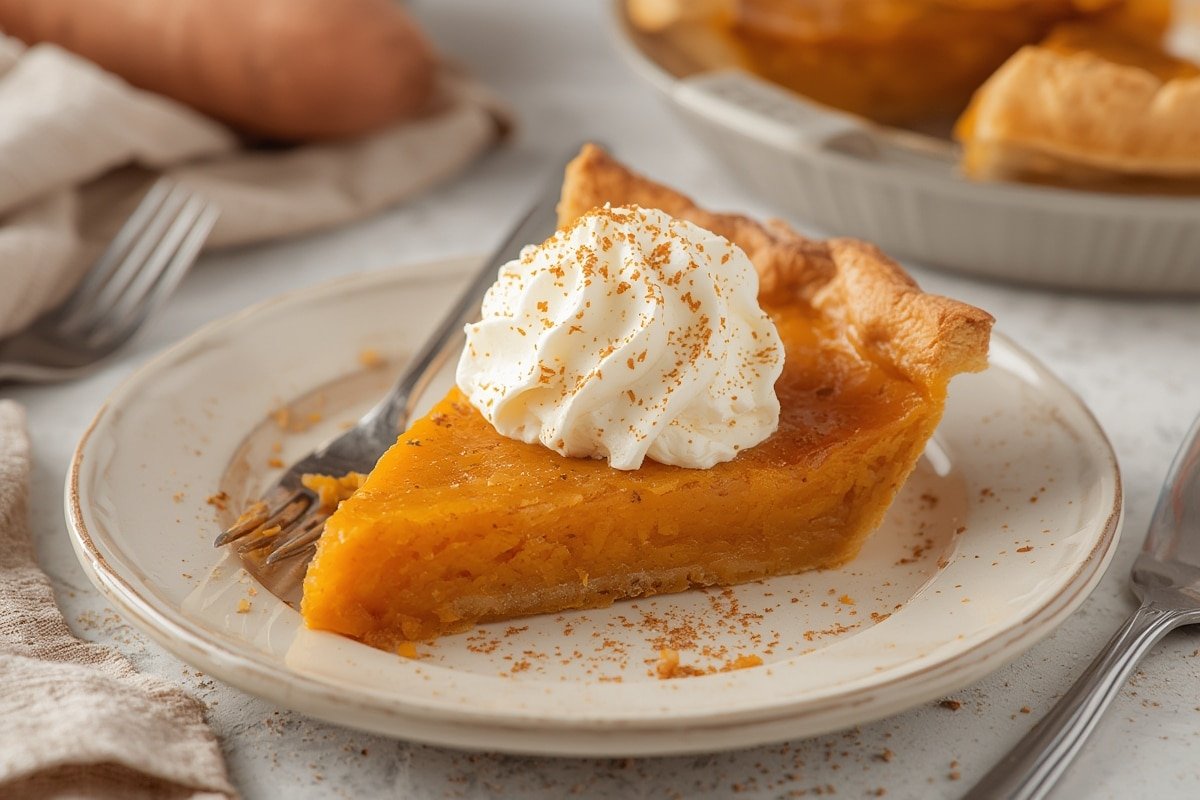
There’s nothing quite like the smell of a freshly baked sweet potato pie filling a kitchen—cinnamon, nutmeg, and caramelized sweetness wrapping around you like your favorite blanket. As a busy home cook juggling weeknight dinners and meal prep, I’ve learned that sweet potato pie isn’t just dessert; it’s a lifeline to memories of crowded family tables, laughter echoing over steaming dishes, and my mother’s hands shaping crusts with practiced ease. In this guide, I’ll share my foolproof recipe, rooted in tradition but streamlined for modern life, plus tips for adapting it to your pantry and celebrating its rich cultural legacy.
Part 1: Why Sweet Potato Pie Feels Like Coming Home
The Heartbeat of Our Family Table
Growing up, sweet potato pie wasn’t reserved for holidays—it was our everyday celebration. My auntie Muriel would arrive unannounced with a still-warm pie cradled in a towel, its crust flaky enough to shatter at the slightest touch. We’d gather around our mismatched plates, and just like that, a mundane Tuesday felt sacred. I learned early that this humble pie carried stories: of Southern grandmothers stretching pantry staples, of resilience turned into something tender and golden. My version honors that legacy while fitting seamlessly into modern routines—because comfort shouldn’t require complicated rituals.
What Sets Sweet Potato Pie Apart
Unlike its cousin pumpkin pie, sweet potato pie boasts a deeper, earthier sweetness and silkier texture. The best versions balance spice without overpowering the star ingredient. Over years of testing, I’ve discovered three non-negotiables: roasting (not boiling) the potatoes intensifies their flavor, a touch of citrus brightens the richness, and letting the filling rest before baking prevents cracks. It’s a forgiving recipe—swap evaporated milk for coconut milk if needed, or use pre-made crust when time crunches hit. At its core, this pie adapts to you.
Part 2: Crafting Your Perfect Sweet Potato Pie
Ingredients: Simple Staples, Big Flavor
You need just 10 pantry-friendly components to create magic:
| Ingredient | Purpose & Substitutions |
|---|---|
| 2 lbs sweet potatoes | Roast for depth. Sub pumpkin puree in a pinch (reduce liquid by 2 Tbsp). |
| 1/2 cup unsalted butter | Adds silkiness. Use dairy-free butter or coconut oil for vegan options. |
| 3/4 cup brown sugar | Deep caramel notes. Adjust to 1 cup for extra sweetness. |
| 1 tsp cinnamon + 1/4 tsp nutmeg | Warmth without heat. Add cardamom for a modern twist. |
Smart Timing for Busy Cooks
This recipe takes 1 hour 45 minutes start-to-finish—30% faster than traditional methods by skipping boiling and opting for a food processor. Here’s how it breaks down:
- Prep (25 mins): Roast sweet potatoes and mix filling.
- Blind Bake (15 mins): Pre-bake crust to prevent sogginess.
- Cook (55 mins): Bake until center jiggles slightly.
Pro tip: Bake the night before—the flavors deepen as it chills.
Step-by-Step: Effortless Perfection
- Roast Smart: Pierce potatoes, bake at 400°F for 45 mins until caramelized. Scoop flesh into food processor.
- Blend Smooth: Pulse potatoes with butter, sugar, eggs (room temperature!), spices, and 1/2 cup evaporated milk until satiny.
- Crust Matters: Fit dough into pie dish, prick with fork, line with parchment, and fill with pie weights. Bake 15 mins at 375°F.
- Fill & Finish: Pour filling into warm crust. Bake 55-60 mins until edges set but center wobbles gently.
Part 3: Honoring Tradition, Embracing Tweaks
Southern Roots and Cultural Significance
Sweet potato pie anchors Southern culinary history—a symbol of ingenuity and community. Early recipes appeared in 18th-century cookbooks, often crediting Black chefs who elevated simple ingredients into icons. Unlike pumpkin pie’s New England ties, this dish sings of warmer climates and shared resilience. Today, it remains a staple at Juneteenth celebrations, church potlucks, and family reunions—proof that food stitches generations together.
Creative Twists for Modern Kitchens
While classics comfort, small tweaks keep things exciting:
- Lighter Option: Replace half the butter with Greek yogurt.
- Spice Upgrade: Add orange zest + 1/4 tsp cloves for brightness.
- Crunch Factor: Sprinkle pecans tossed in maple syrup over filling before baking.
- Make-Ahead Magic: Freeze unbaked filling for up to 3 months—thaw overnight before using.
Part 4: Serving and Storing Like a Pro
The Art of Presentation
A gorgeous sweet potato pie needs no fuss, but these touches elevate it:
- Temperature: Serve slightly warm (reheat 10 mins at 300°F) with cold whipped cream.
- Garnishes: Toasted coconut flakes, candied ginger, or a drizzle of salted caramel harmonize beautifully.
- Pairings: Offer black coffee or spiced chai to cut sweetness.
Troubleshooting Common Hiccups
Even seasoned bakers face challenges—here’s how to recover gracefully:
- Soggy Bottom Crust? Brush unbaked crust with egg wash before adding filling.
- Filling Cracks? Overbaking causes this. Pull pie at 160°F internal temp—it’ll firm as it cools.
- Too Dense? Whip filling longer to aerate, or add 1 tsp baking powder.
Store leftovers covered at room temp for 2 days or refrigerated for 5. Reheat slices in the air fryer at 325°F for 4 minutes to revive crispness.
Conclusion: More Than Just a Pie
Every slice of sweet potato pie holds a story—the one my mother whispered as she taught me to crimp dough edges, the laughter shared over last bites at my first Thanksgiving hosting, the quiet pride of nailing the recipe on the third try. It reminds us that cooking connects us across time and chaos. So whether you’re baking for a holiday crowd or savoring a solo slice after a long day, let this recipe be your starting point. Trust your instincts, tweak freely, and remember: the best pies are the ones that taste like home, however you define it.