
Disclosure: This post may contain affiliate links. As an Amazon Associate, we earn from qualifying purchases—at no extra cost to you.
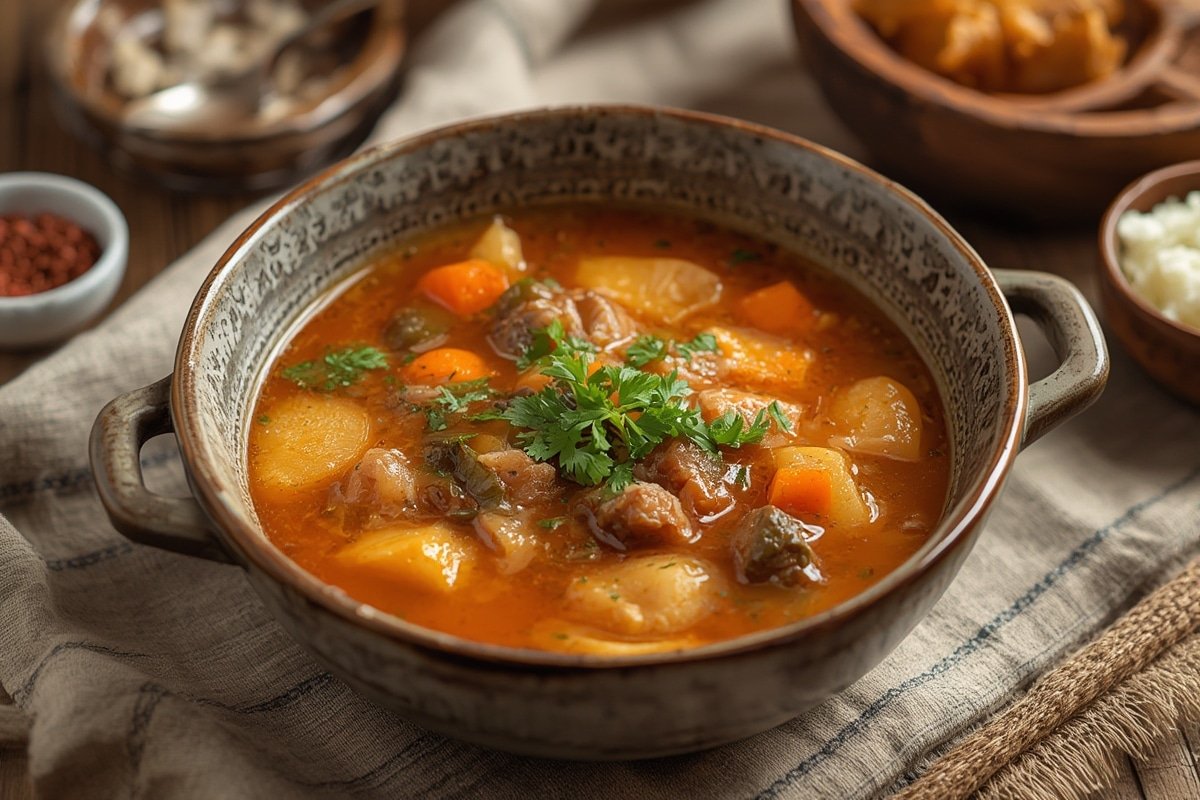
Growing up in a house where the stove never seemed to cool off, soup meant more than just dinner—it meant coming home. I’d kick off my muddy sneakers after school to the sound of my mom’s laughter bouncing off our cramped kitchen walls while she stirred giant pots bubbling with lentils, vegetables, and whatever scraps needed using up. Somehow those simple broths healed skinned knees, warmed frostbite cheeks, and mended teenage heartbreaks. Fast-forward to my first tiny apartment kitchen years later: juggling a full-time job, a cranky oven, and my then-toddler clinging to my leg, I discovered what would become my kitchen lifeline—the Instant Pot—and with it, Instant Pot soup magic. Suddenly those soul-warming pots of goodness didn’t require hours of babysitting. I could dump ingredients in before daycare drop-off and return to a house smelling like childhood. Now, my family gathers around comforting Instant Pot soup variations weekly—whether it’s a creamy potato leek after soccer practice or a spicy chickpea stew on chilly nights. Let me show you how this modern marvel unlocks deep flavors in minutes—just like those big-batch pots from my childhood, minus the wait.
Why Instant Pot Soup is a Weeknight Game-Changer (Seriously!)
Flavor That Feels Slow-Cooked—Without the Hours
The pressurized cooking environment of the Instant Pot does something almost magical to soup. It extracts flavors from bones (like chicken carcasses or beef marrow bones) and coaxes sweetness from humble veggies—think onions caramelizing in minutes, not hours. Unlike stovetop simmering where liquid evaporates, the sealed pot traps steam, concentrating every herb and spice. Last Tuesday, I made a Thai coconut curry Instant Pot soup using sad-looking veggie drawer stragglers—wilted cilantro stems, bending carrots—and the result tasted like I’d simmered it all afternoon. Pro tip: Sauté aromatics (onions, garlic, ginger) directly in the pot using the “Sauté” function before pressure cooking. This builds layers of flavor fast!
From Pantry to Table in Under an Hour (Yes, Really!)
Between school pickups and work deadlines, I’ve perfected dozens of Instant Pot soup recipes that cook in 30 minutes or less hands-on time. Most pressure cook in under 15 minutes! Here’s how timing breaks down for my favorite Chicken & Rice version versus traditional methods:
| Step | Instant Pot | Stovetop |
|---|---|---|
| Sauté Aromatics | 5 mins | 5 mins |
| Cooking Time | 10 mins (pressure) | 40-60 mins simmer |
| Total (including prep) | 25 mins | 75+ mins |
Building Your Ultimate Instant Pot Soup: Ingredients & Prep
Ingredients List: Flexible, Flavorful Foundations
Gather these staples—and don’t stress about exact quantities or missing items!
Base Ingredients
- Aromatics: 1 yellow onion (diced), 3 garlic cloves (minced), 1-inch ginger (grated)
Substitutions: Leeks for onion, ½ tsp garlic powder per clove
- Protein: 1 lb boneless chicken thighs or 2 cans chickpeas (drained)
- Veggies: 2 carrots (chopped), 2 celery stalks, 1 cup chopped kale
Use what’s wilting! Zucchini, spinach, or bell peppers work
- Liquid: 4 cups low-sodium chicken or vegetable broth
- Flavor Boosters: 1 tbsp tomato paste, 1 tsp cumin, 1 bay leaf, salt & pepper
Timing Breakdown: More Flavor, Less Clock-Watching
- Prep Time: 10 minutes (chop veggies while sautéing aromatics!)
- Cook Time: 10 minutes high pressure + 5 minutes natural release
- Total Time: 25 mins (vs. 90+ mins stovetop)
Step-by-Step Instructions for Failproof Soups
- Sauté Mode = Flavor Foundation: Press “Sauté,” add 1 tbsp olive oil. Cook onions 3 mins until translucent. Add garlic, ginger, tomato paste—stir 1 minute until fragrant.
- Layer Smartly: Place chicken/protein on bottom. Add hardy veggies (carrots, celery), then spices. Never stir after adding broth—this prevents the “Burn” error!
- Pressure Perfection: Pour broth over ingredients (do not exceed max fill line!). Seal lid, set valve to “Sealing.” Cook on High Pressure 10 mins.
- Release & Finish: Let pressure release naturally 5 mins, then quick-release remaining steam. Shred chicken directly in pot. Stir in delicate greens (kale/spinach)—they’ll wilt from residual heat!
Pro Tips for Instant Pot Soup Success
Avoiding the Dreaded “Burn” Message
That alarming “Burn” warning happens when thick ingredients (like tomato paste or flour) stick to the pot’s bottom. Avoid it by:
- Deglazing thoroughly after sautéing (pour broth in and scrape any bits up!)
- Adding dairy (cream, coconut milk) after pressure cooking
- Layering ingredients strategically (liquids go in last!)
Adapt Any Soup for Dietary Needs
My test kitchen rules:
- Vegetarian/Vegan: Swap chicken broth for veggie broth. Use chickpeas or lentils instead of meat.
- Gluten-Free: Skip flour-based thickeners. Use cornstarch slurry (1 tbsp cornstarch + 2 tbsp water) added after cooking.
- Lower Sodium: Use low-sodium broth and boost flavor with lemon zest, herbs, or a Parmesan rind (remove before serving!).
Storing, Freezing & Reinventing Leftovers
Make-Ahead Magic for Frantic Weeks
Instant Pot soup tastes even better next day! Store cooled soup in:
- Fridge (3-4 days): Use airtight containers. Reheat gently on stove.
- Freezer (3 months): Portion into freezer bags laid flat. Thaw overnight in fridge.
Pro tip: Freeze broth-based soups (not creamy ones) for best texture.
Reinvent Last Night’s Soup Like a Pro
- Grain Bowl Base: Reduce leftover soup into a thick stew. Serve over quinoa or rice.
- Pasta Sauce: Simmer tomato-based soups until thickened. Toss with penne!
- Breakfast Twist: Poach eggs directly in reheated broth for a quick shakshuka vibe.
Final Thoughts
Instant Pot soup isn’t just about speed—it’s about reclaiming those slow-simmered comforts we crave without sacrificing precious time. Whether you’re feeding a crowd or meal-prepping solo, this method turns humble ingredients into hug-in-a-bowl meals. Remember: Great soup needs flexibility, not fuss. Adapt these basics to your fridge’s contents, and don’t fear improvisation—some of my best recipes started as “cleaning out the produce drawer” experiments! Now grab your Instant Pot, embrace the shortcuts, and let cozy, effortless soups become your kitchen’s new rhythm. What’s your first pot going to be?