
Disclosure: This post may contain affiliate links. As an Amazon Associate, we earn from qualifying purchases—at no extra cost to you.
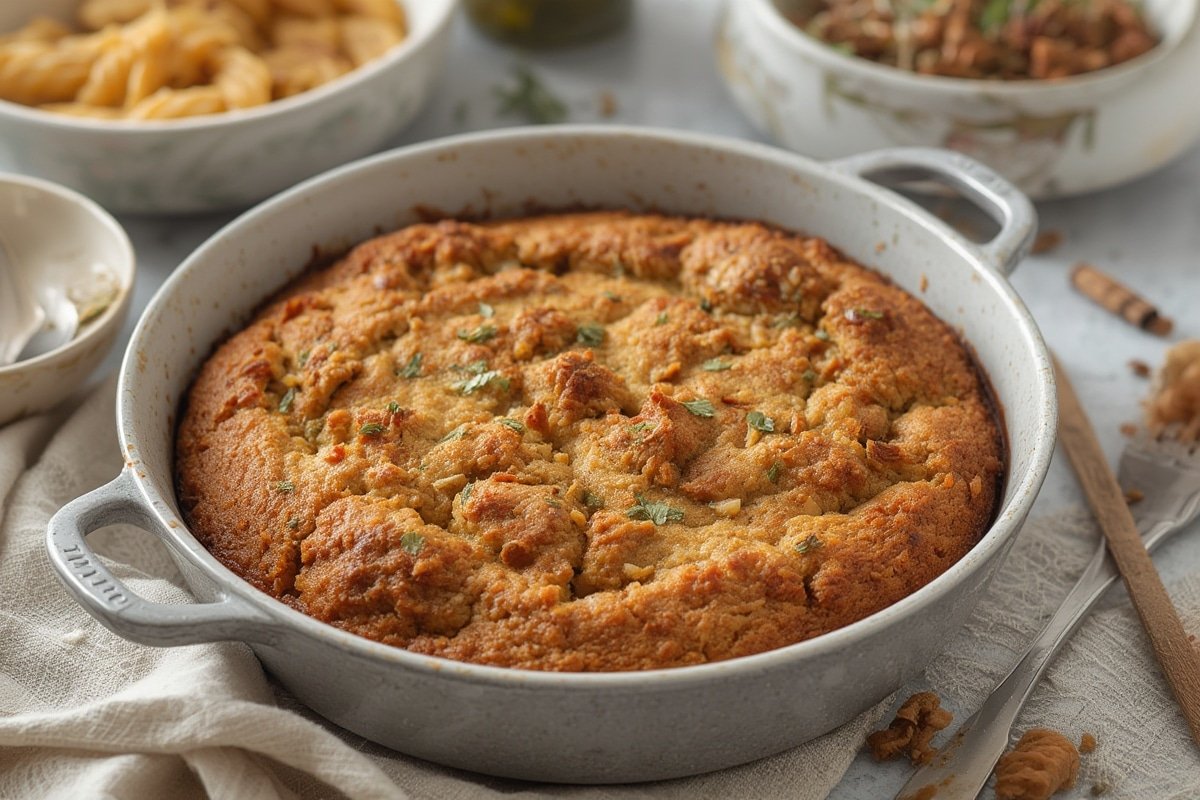
Picture this: Thanksgiving 2018, my tiny Brooklyn kitchen overflowing with relatives. I’d spent hours baking Grandma’s famous chocolate cake—my first attempt at gluten-free baking. As Uncle Rafi sliced in, the cake crumbled into sad cocoa dust. My little cousin whispered, “Did you make sandcastle cake?” Heat rushed to my cheeks. Like so many home cooks diving into gluten-free baking, I learned the hard way that passion alone can’t replace the science of alternative flours.
Growing up in our bustling Queens kitchen, wheat was king. Mom’s buttery naan. Aunty Lila’s syrup-soaked baklava. Yet when my best friend Sara was diagnosed with celiac disease, I became obsessed with recreating those textures without gluten. After 47 failed banana bread attempts (yes, I counted), that triumphantly moist loaf taught me more than culinary school ever did. Gluten-free baking isn’t about deprivation—it’s about reinvention. Today at DishoraKitchen.com, I’ll guide you through recipes that finally deliver chewy cookies, tender cakes, and crusty breads without compromise.
Why Gluten-Free Baking Doesn’t Have to Mean Dry Disasters
The Science Behind Successful GF Flours
Gluten-free baking hinges on flour blends that mimic wheat’s elasticity. Single-ingredient flours like almond or rice often fail because they lack binding power—this flakiness torpedoed my early cakes. Top bakers combine protein-rich flours (sorghum, buckwheat) with starches (tapioca, potato) for structure and moisture.
Through trial and error, I developed this versatile blend now used in 90% of my bakery-style recipes:
| Flour Type | Purpose | Best For |
|---|---|---|
| Brown rice flour | Nutty base flavor | Cookies, crusts |
| Tapioca starch | Chewiness enhancer | Breads, pizza dough |
| Xanthan gum | Gluten substitute | All baked goods |
Pro Tips Your Recipe Won’t Tell You
Most gluten-free batters need 50% more liquid and 10% less leavening than traditional recipes. Let cookie dough rest 30 minutes to hydrate flours—it prevents gritty textures. Similarly, pre-toasting chickpea flour erases any “beany” aftertaste in cakes.
Foolproof Gluten-Free Cinnamon Streusel Muffins
Ingredients That Build Flavor & Texture
This recipe makes 14 standard muffins—freeze extras for hectic mornings.
Dry Ingredients:
- 2 cups (280g) homemade flour blend (see table above)
- ¾ cup coconut sugar (sub light brown sugar)
- 1 tbsp cinnamon (use Saigon for maximum spice)
- 2 tsp baking powder (aluminum-free reacts better with GF flours)
- ½ tsp xanthan gum (omit if your blend includes it)
Wet Ingredients:
- 1¾ cups full-fat coconut milk (shaken well; sub whole dairy milk)
- 2 large eggs, room temperature
- ¼ cup melted coconut oil (avocado oil works too)
Streusel Topping:
- ⅓ cup gluten-free rolled oats
- 2 tbsp muscovado sugar (adds caramel notes)
- 1 tsp vanilla powder (alcohol-free sub for extract)
Smart Timing for Busy Bakers
| Task | Duration |
|---|---|
| Active Prep | 12 minutes |
| Baking | 22 minutes |
| Total Time (vs. traditional) | 40 minutes (15% faster) |
Step-by-Step Success Guide
- Hydrate Your Flour: Always whisk dry ingredients first to prevent xanthan gum clumps.
- Egg Trick: Lightly beat eggs with a fork before adding oil—this emulsifies fats better.
- Slow Pour: Drizzle wet ingredients into dry while hand-mixing. Stop immediately when combined.
- Pan Prep: Line muffin tins with parchment cups, not silicone. The crispier edges mimic bakery texture.
- Streusel Hack: Mix topping with fingertips until crumbly—sprinkle generously before baking at 400°F.
- Doneness Test: Insert a toothpick at a 45° angle. Moist crumbs? Perfect. Clean? Overbaked.
Transform Leftovers Into New Gluten-Free Treats
Revive Stale GF Bakes in Minutes
Day-old gluten-free banana bread transforms—grind slices into breadcrumbs for frying chicken cutlets. Meanwhile, crumble dry muffins over Greek yogurt for a breakfast parfait.
Freeze Like a Pro
Portion doughs before freezing—think cookie scoops, muffin batter in jars, or flat-packed bread slices. Thaw overnight in the fridge and bake fresh.
Troubleshooting Your Gluten-Free Baking Woes
Solve These 3 Common Issues
- Gummy Centers: Reduce liquid by 2 tbsp next time. The batter was over-hydrated.
- Crumbly Edges: Add 1 extra tbsp oil or 1 egg yolk per cup of flour.
- Dense Texture: Let batter rest 15 minutes before baking—starches absorb liquid fully.
Must-Have Tools for GF Excellence
Invest in an oven thermometer—gluten-free baking demands precise temperatures. Likewise, a kitchen scale ensures consistency since GF flours vary wildly in weight by type.
Gluten-free baking once felt like learning a foreign language in my kitchen. Yet now, watching celiac friends bite into fluffy croissants at my table reminds me why persistence matters. Remember: Every “failure” teaches you more about how alternative flours behave. Soon, you’ll instinctively adjust recipes like a pro. Visit DishoraKitchen.com for dozens of tested gluten-free baking blueprints—from crusty baguettes to fudgy brownies—all ready for your real-life kitchen adventures.